
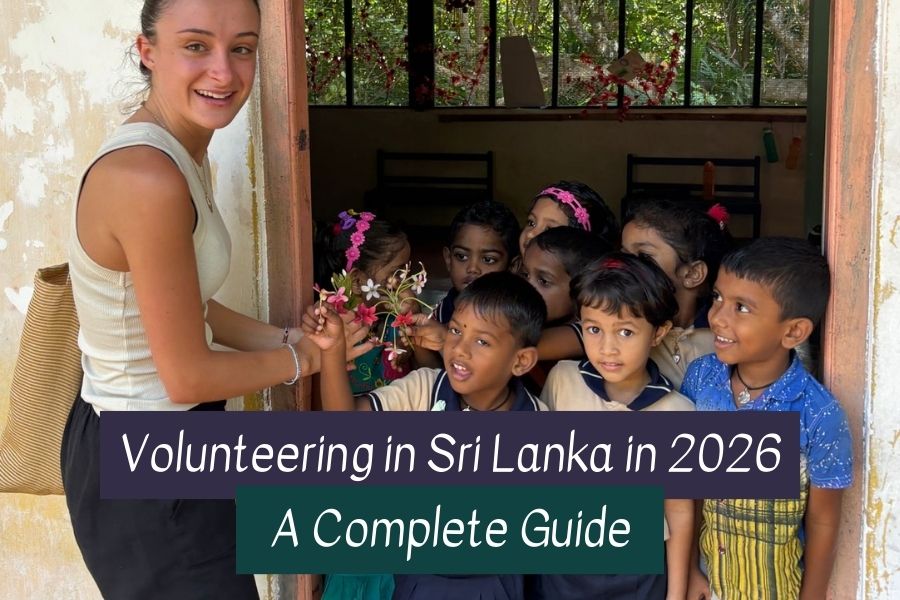
A Complete Guide to Volunteering in Sri Lanka in 2026
Everything you need to know about safe, ethical, and impactful volunteering in Sri Lanka
Volunteering in Sri Lanka in 2026 is more than a meaningful travel experience. It is an opportunity to stand alongside communities that are rebuilding, adapting, and moving forward after years of economic hardship, natural disasters, and global uncertainty.
At Volunteer in Sri Lanka, we have seen firsthand how resilience and community spirit continue to shape the country’s recovery. Sri Lanka has long been known for its warmth, cultural depth, and biodiversity. Today, those qualities remain strong, but so does the need for ethical, hands-on volunteer support. In the wake of the Ditwah cyclone and its aftermath, many communities are facing renewed challenges, making volunteer involvement more important now than ever.
Why Volunteer in Sri Lanka in 2026?
Over the past two decades, Sri Lanka has experienced major challenges, including the 2004 tsunami, years of civil conflict, the COVID-19 pandemic, a severe economic crisis, and, most recently, the impacts of the Ditwah cyclone. The cyclone caused damage to infrastructure, disrupted education, and placed additional strain on already limited community resources.
While recovery efforts are ongoing and progress is visible, many families, schools, and community facilities are still working to regain stability. This is why help is needed now more than ever. Through our programs, volunteers directly support education, social care, and conservation initiatives that continue to play a vital role in long-term recovery.
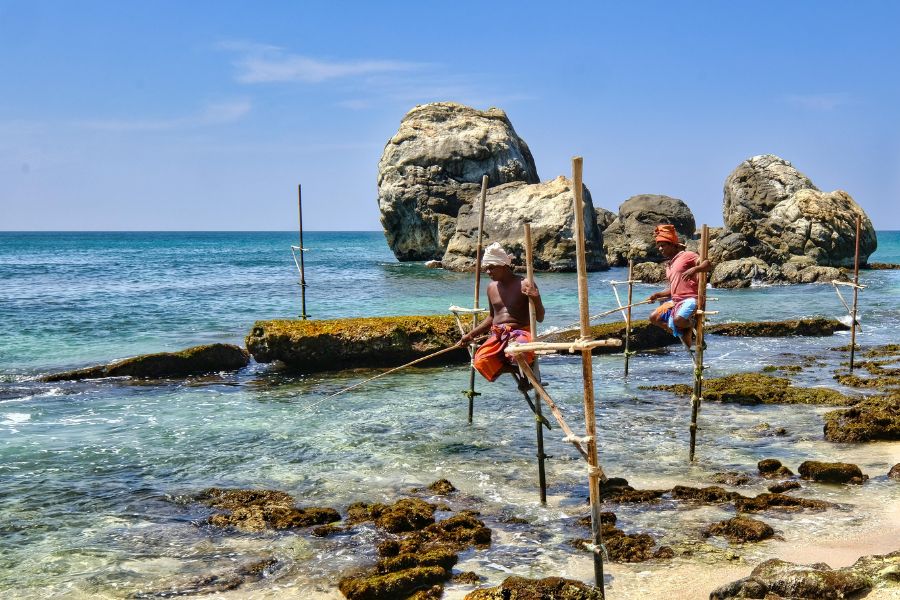
Is It Safe to Volunteer in Sri Lanka After the Ditwah Cyclone?
Safety is understandably one of the biggest concerns for volunteers, especially following the devastating impacts of Cyclone Ditwah.
The situation on the ground in Sri Lanka is stable. The country remains safe, peaceful, and welcoming for travelers and volunteers. Affected areas have been cleared, infrastructure has been restored in our volunteer program regions, and daily life has returned to normal.
At Volunteer in Sri Lanka, safety is a top priority. We only offer placements in areas such as Unawatuna and Galle, which are carefully assessed and approved by our local coordinators. All programs and accommodation are regularly reviewed, volunteers receive detailed orientation and safety guidance, and our team is available 24/7 for local support. With standard travel awareness, volunteering in Sri Lanka in 2026 is safe and well supported.
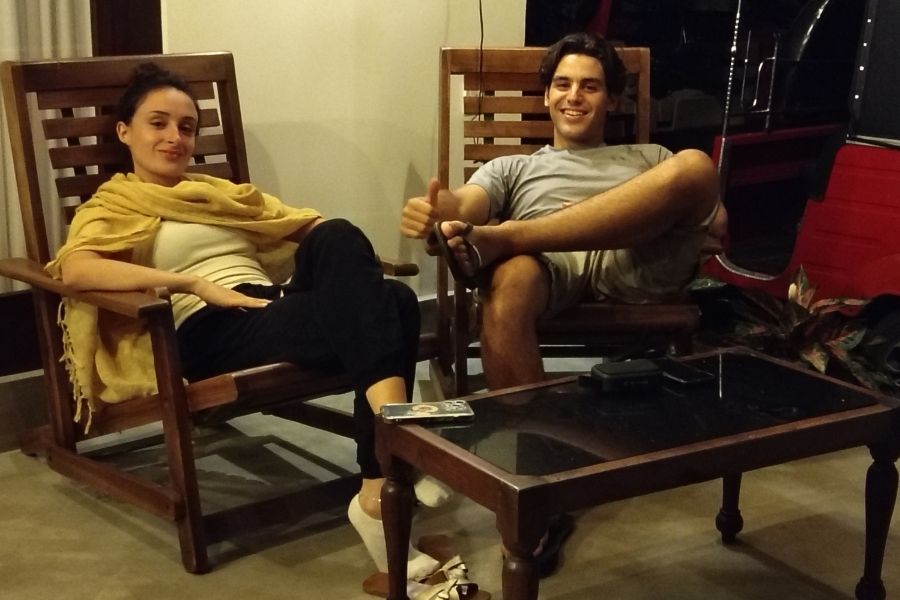
What Types of Volunteer Programs Are Available?
Our volunteer opportunities focus on real, long-term community needs rather than short-term experiences.
Our education programs support kindergartens, schools, and English learning initiatives, helping children regain routine and confidence after periods of disruption. Teaching English to Buddhist monks remains an important cultural and educational exchange that opens future opportunities for students.
Our social care programs support children and adults with special needs by providing emotional support, creative activities, and companionship in environments built on dignity and inclusion.
Our conservation programs, particularly sea turtle conservation along Sri Lanka’s southern coast, continue to be vital. Environmental protection has become even more important following extreme weather events, and volunteers play a key role in strengthening conservation and awareness efforts.
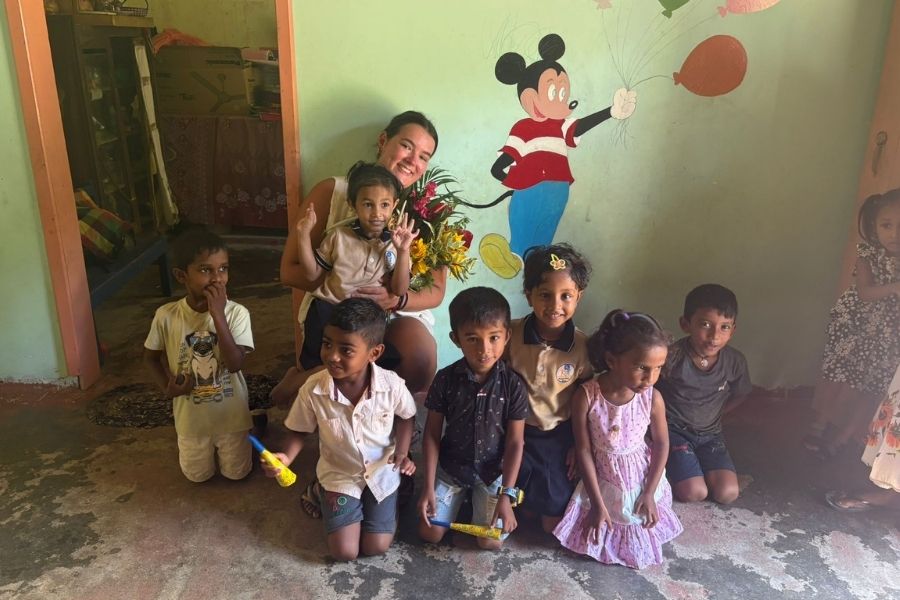
Do You Need Qualifications or Experience?
Most of our volunteer programs do not require formal qualifications. We welcome volunteers from diverse backgrounds, including students, professionals, families, retirees, and first-time volunteers.
What matters most to us is commitment, cultural respect, and a genuine willingness to contribute. We provide full orientation, guidance, and ongoing support to help volunteers feel confident and prepared throughout their placement.
Where Will You Stay as a Volunteer?
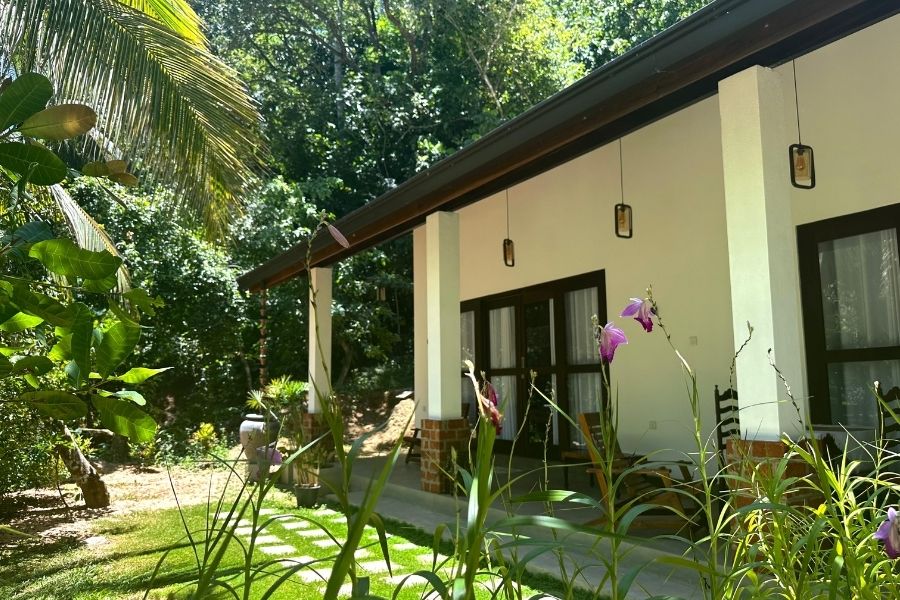
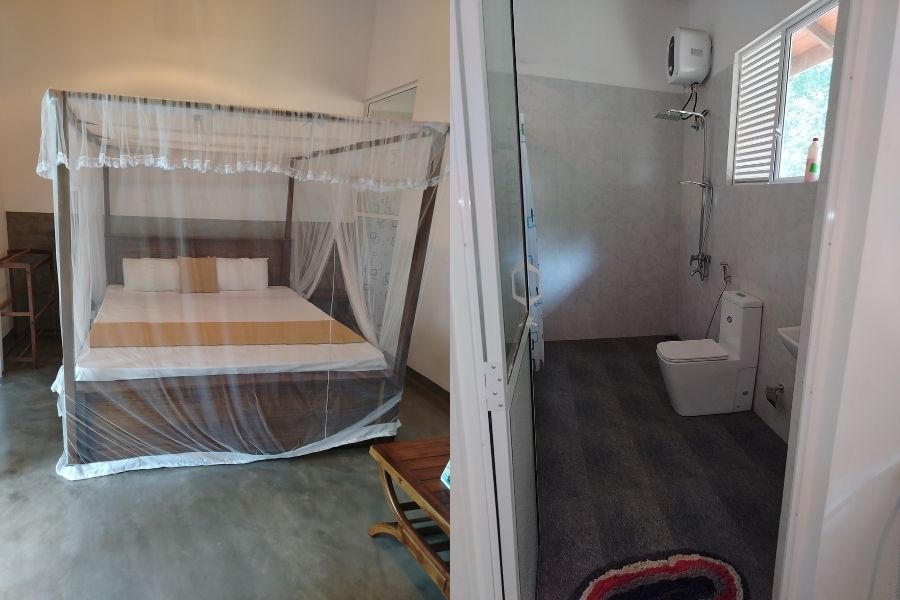
Volunteers with Volunteer in Sri Lanka stay in private, air-conditioned rooms at our volunteer house in Unawatuna, Galle. Each room includes a private bathroom and personal pantry space, offering comfort, privacy, and independence.
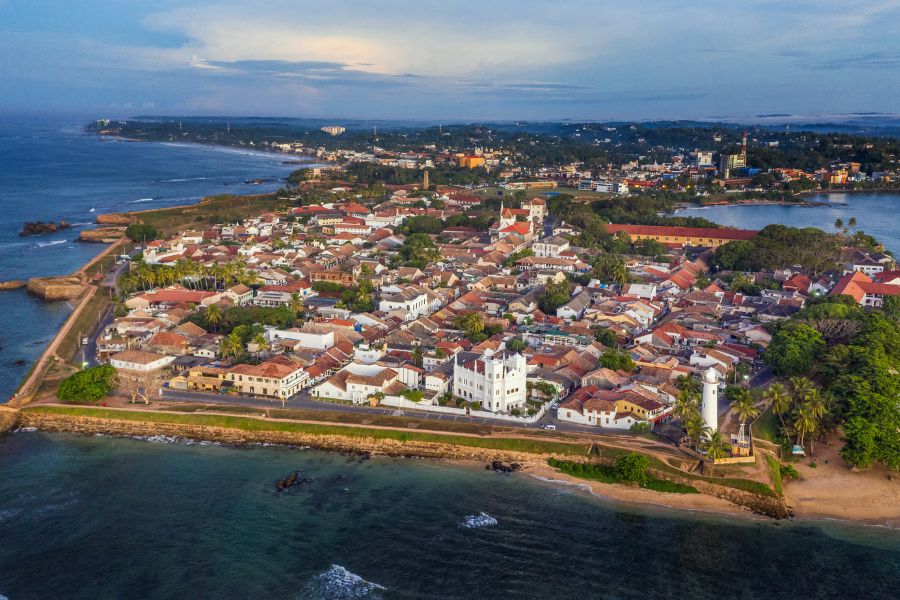
Our volunteer house is quiet, safe, and well-maintained, and it is located just minutes from Galle Fort and Unawatuna Beach. This allows volunteers to balance meaningful work with rest, cultural exploration, and coastal relaxation in a secure environment.
How Much Does Volunteering in Sri Lanka Cost?
Sri Lanka remains one of the most affordable volunteering destinations in Asia. Our program fees start at USD 180 per week, with no registration or application fees.
The fee includes accommodation, daily breakfast and dinner, Wi-Fi, orientation, and continuous local support. These fees help ensure our programs remain ethical, organized, and sustainable, especially during ongoing recovery efforts following recent natural events.
Why Do Volunteers Need to Pay a Program Fee?
Running ethical volunteer programs involves real operational costs, including accommodation, meals, staff coordination, project upkeep, and direct community support.
Volunteer in Sri Lanka is fully owned and operated by Sri Lankans and does not rely on external funding. Program fees go directly toward supporting local projects and maintaining safe, well-structured volunteer experiences. This approach ensures long-term impact rather than short-term aid.
How to Make the Most of Your Volunteering Experience in Sri Lanka
Volunteering in the Galle area allows you to enjoy some of southern Sri Lanka’s most rewarding experiences during your free time. Galle Fort, a UNESCO World Heritage Site, is ideal for evening walks along the ramparts, café hopping, and exploring colonial architecture and museums.
Unawatuna Beach is just minutes away and perfect for swimming, relaxing, or enjoying a beachfront meal. Nearby Jungle Beach and Dalawella Beach offer quieter, more natural escapes. Nature lovers often enjoy visiting the Rumassala Forest Reserve and the Japanese Peace Pagoda for scenic walks and ocean views.
Boat trips on Koggala Lake provide a peaceful way to explore mangroves and local wildlife, while turtle hatcheries along the coast offer deeper insight into marine conservation. Short trips to Mirissa, Weligama, or Hikkaduwa are popular for surfing, snorkeling, and seasonal whale watching.
Additional Tips for Volunteering in Sri Lanka in 2026
Sri Lankan culture is respectful, community-focused, and deeply rooted in tradition. We encourage volunteers to dress modestly, behave respectfully in temples and schools, and approach cultural differences with openness.
Upon arrival, we provide a full orientation covering local customs, basic Sinhala phrases, safety guidance, and program expectations. This preparation helps volunteers integrate smoothly into daily life and local communities.
Start Your Volunteering Journey in Sri Lanka
Volunteering with Volunteer in Sri Lanka is a journey of purpose, learning, and genuine connection. It allows you to travel responsibly while supporting communities during a critical time of rebuilding.
If you are looking for a safe, affordable, and impactful volunteering experience in 2026, we invite you to join us and make a real difference.
Apply now and become part of Sri Lanka’s continued recovery and growth.